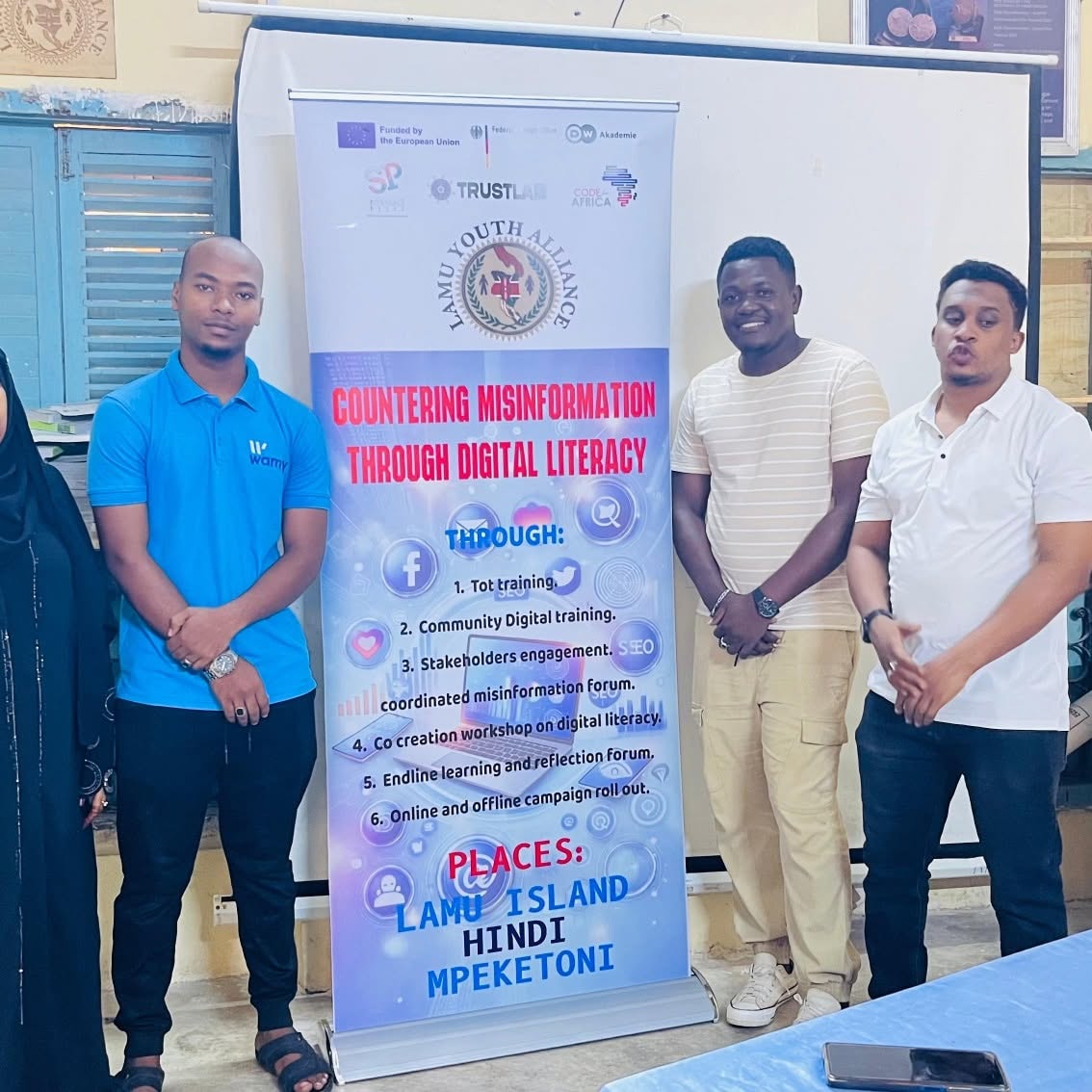
Lamu Youth Alliance Strengthens Digital Literacy Through Three-Day Trainers of Trainers Training on Misinformation
Lamu Youth Alliance (LYA) recently hosted a three-day Trainers of Trainers (ToT) training on misinformation, equipping a cohort of participants with practical knowledge and skills to become digital champions within their communities. The training forms part of LYA’s efforts to strengthen digital literacy and build community resilience against misinformation by empowering local actors with the tools they need to identify, verify, and respond to misleading information in an increasingly complex digital environment. The training was supported by the European Union and DW Akademie.
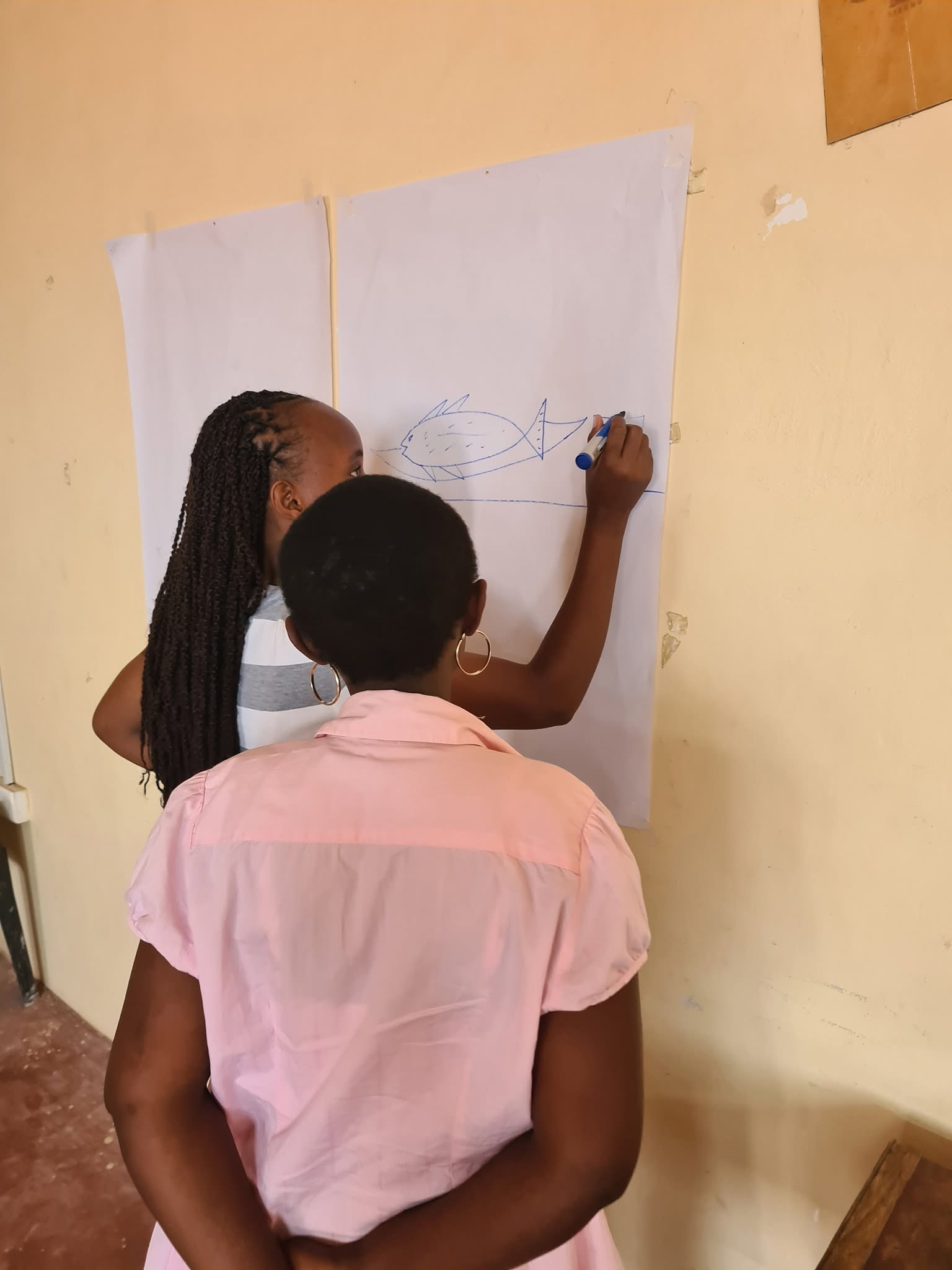
The three-day training brought together participants who will play an important role in promoting responsible digital engagement and strengthening information literacy within their respective communities. The sessions were designed to move beyond theoretical discussions and provide participants with practical, hands-on experience in identifying and verifying different forms of digital content. A major focus of the training was on practical fact-checking tools that can be used to verify videos, images, and audio content. Participants were introduced to different approaches for assessing the authenticity and credibility of digital information and explored how these tools can be effectively applied when encountering potentially misleading or false content online.
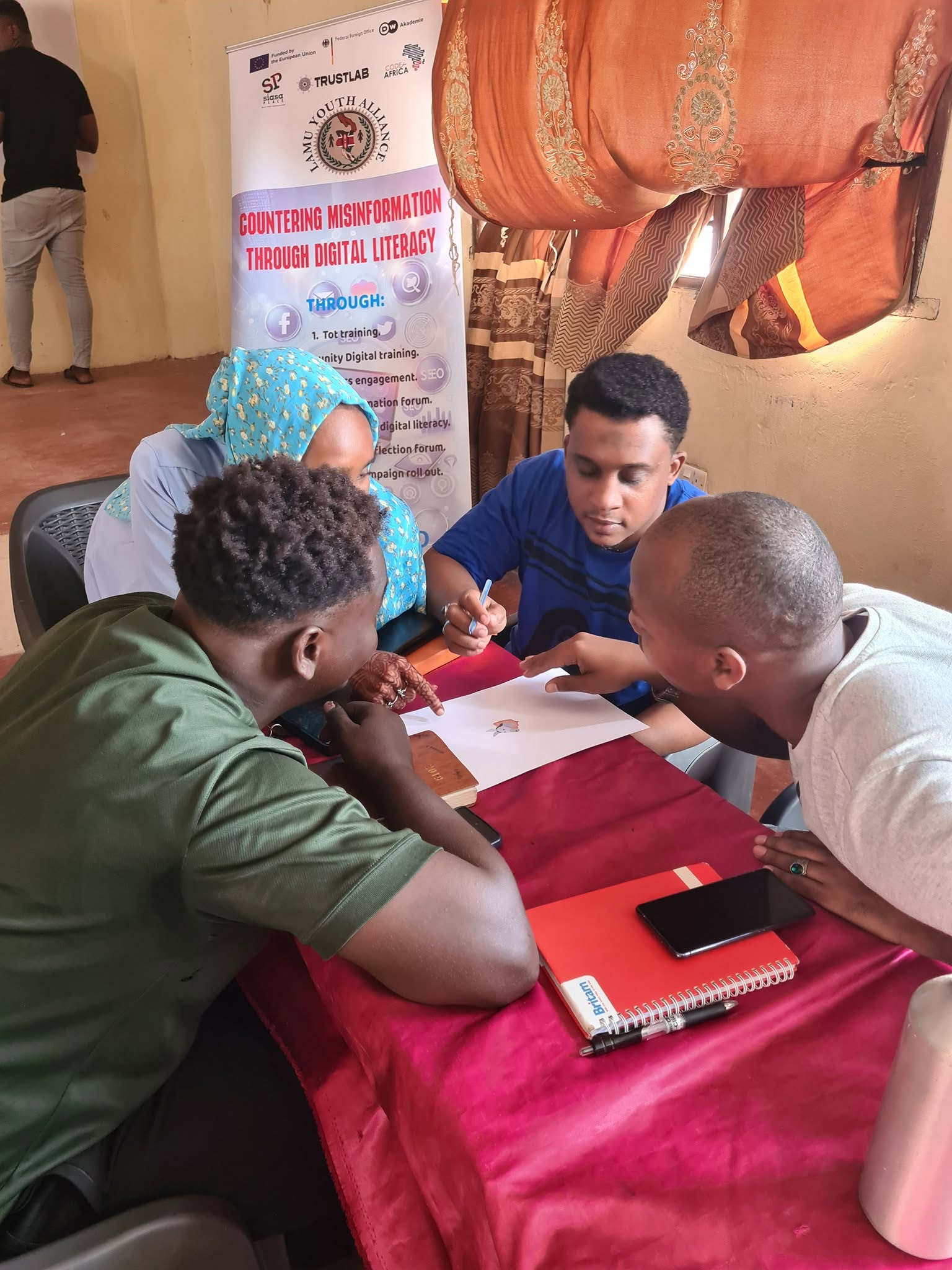
Learning Through Real-Life Misinformation Scenarios. To strengthen practical understanding, participants examined real-life scenarios involving misinformation and were given opportunities to apply the fact-checking tools introduced during the training. Through these exercises, participants were able to understand how misinformation can appear in different forms and how quickly misleading content can spread through social media and other digital platforms. The practical approach enabled participants to develop greater confidence in questioning information, checking sources, verifying digital content, and making informed decisions before sharing information with others.
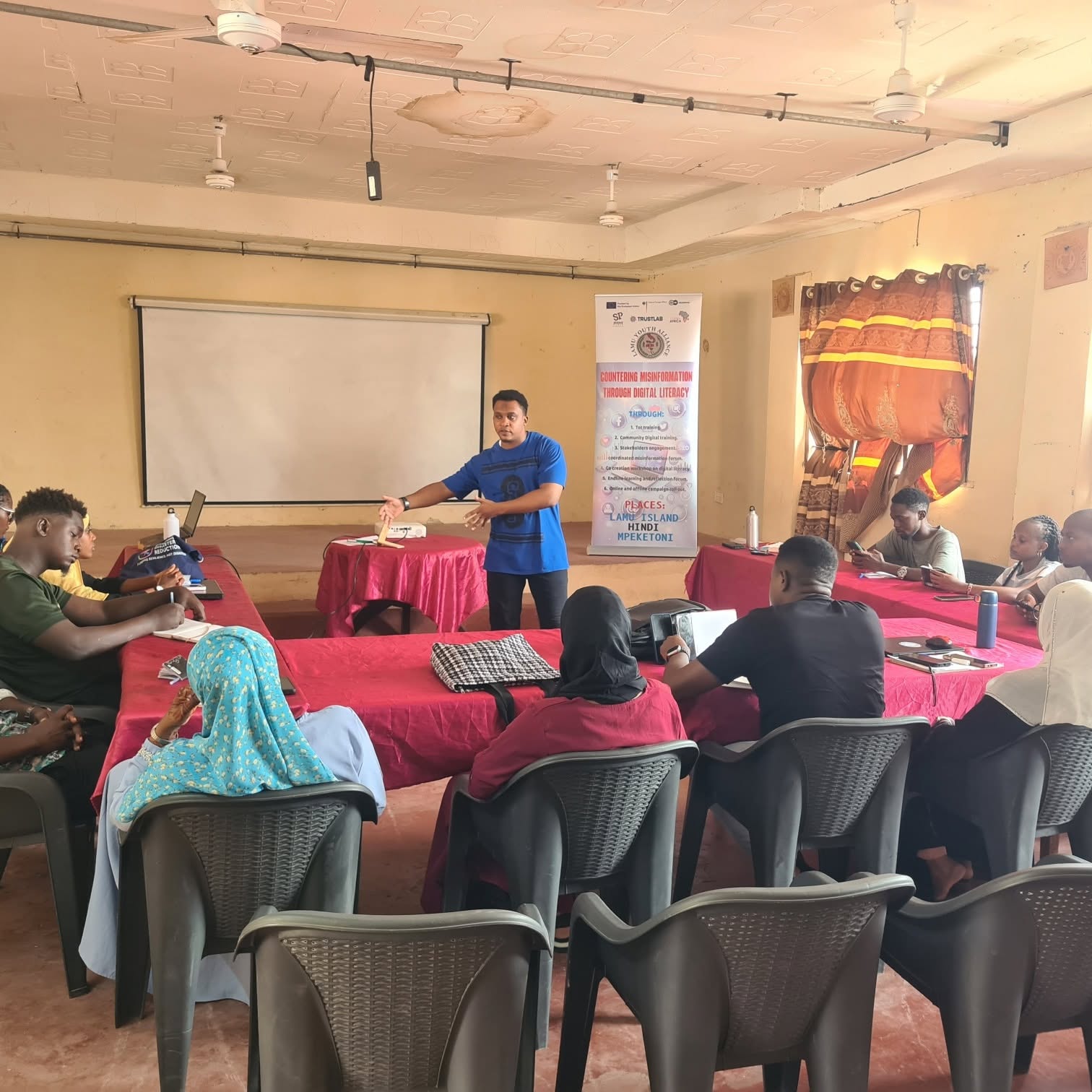
The training also explored the growing role of Artificial Intelligence (AI) in the digital information ecosystem. Participants discussed both the opportunities and challenges presented by AI, particularly its potential to influence how information is created, edited, distributed, and consumed. The sessions also addressed plagiarism, emphasizing the importance of responsible content creation, attribution, and respect for intellectual property in the digital space. Participants further explored the legal and ethical frameworks governing digital content and responsible online behaviour, helping them understand the responsibilities that come with creating, sharing, and engaging with information online.

As digital platforms continue to shape how communities communicate and access information, digital literacy has become an increasingly important skill. Misinformation can influence public perceptions, decision-making, community relationships, and access to reliable information. Strengthening the capacity of local community actors is therefore essential to creating safer and more informed digital spaces. Through the ToT model, the knowledge and skills gained during the training can extend beyond the participants themselves. As trained digital champions, participants are expected to share their knowledge and support wider community awareness around misinformation, fact-checking, responsible online engagement, and digital safety. This approach creates an opportunity for knowledge to reach more young people, women, community members, and other digital users across Lamu County.
The three-day training created a meaningful learning and exchange platform, strengthening participants' digital literacy and enhancing their capacity to become advocates for accurate and responsible information. By combining practical fact-checking exercises with discussions on AI, plagiarism, legal and ethical considerations, and responsible online behaviour, the training provided participants with a comprehensive understanding of the challenges and opportunities within today's digital information environment. Lamu Youth Alliance remains committed to working with communities and partners to promote digital literacy, informed online engagement, and resilience against misinformation. The trained participants will now have an opportunity to take these skills into their communities and contribute towards building a more informed, responsible, and digitally resilient Lamu.